%20(1).jpg)
Your Winning Rehab Playbook: What a Successful Recovery Journey Includes for Active Adults and Athletes

You’ve been pushing through aches and setbacks, but your body isn’t bouncing back as fast as you hoped. That frustrating gap between injury and full recovery can leave you stuck, wondering what’s missing. The secret lies in a rehab plan crafted just for you—one that targets your goals and gets you moving again. In this post, you’ll learn what a successful physiotherapy journey looks like for active adults and athletes in the GTA.
Essential Components of Rehab
To fully recover, you need a rehab plan that covers all bases. Here’s what a complete rehab journey should include for the best results.
Personalized Physiotherapy Approach
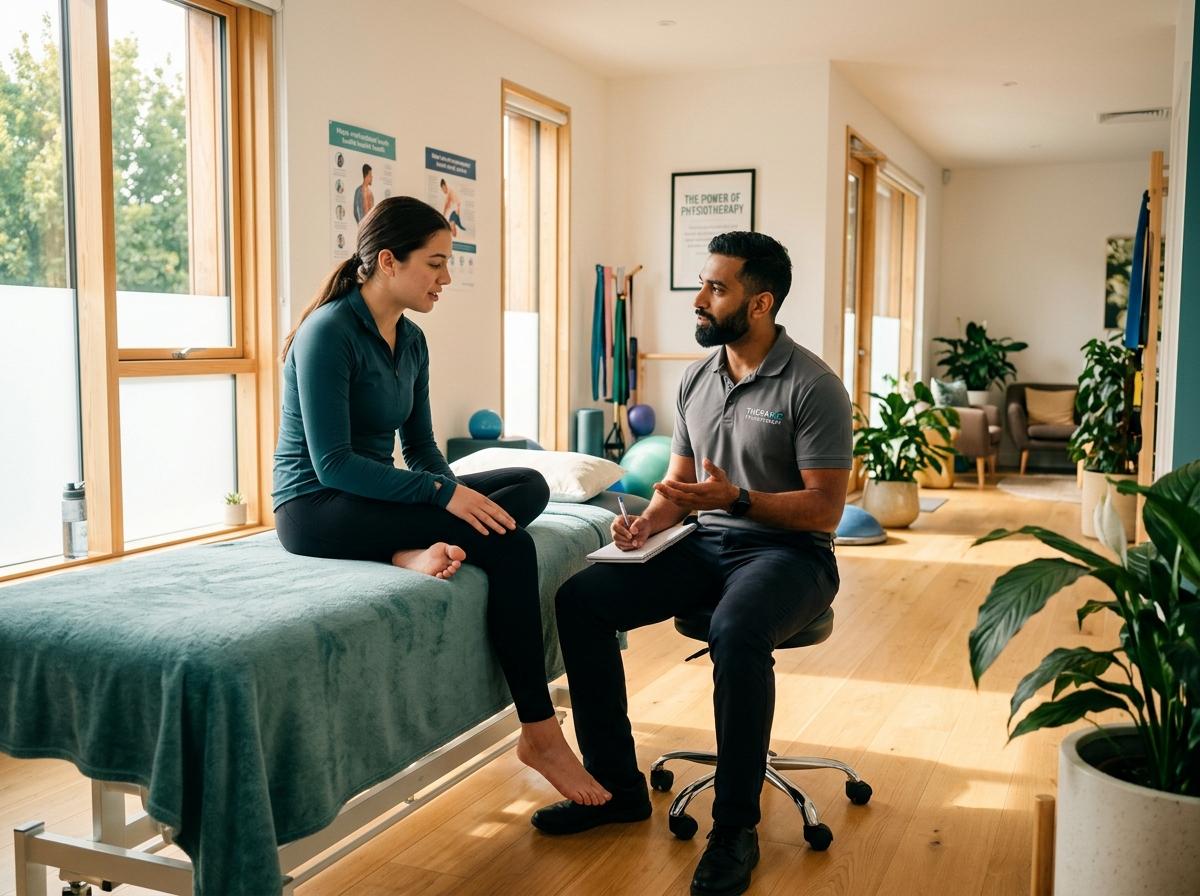
A tailored physiotherapy plan is your foundation. Your body is unique, and so is your injury. The first step is a detailed assessment to understand your condition. This allows for a targeted treatment plan that addresses your specific needs. Whether it's adjusting your posture or focusing on certain muscles, the goal is to create a path to recovery that feels right for you. With the right approach, you can see real progress.
A personalized plan not only accelerates recovery but also prevents future injuries. It includes specific exercises and treatments that fit your lifestyle and goals. This way, you’re not just healing; you're getting stronger. A customized plan is crucial because it ensures you’re getting the care you need, not a one-size-fits-all solution.
Progressive Exercise Therapy
Exercise therapy is about building strength and flexibility over time. This isn't just about doing exercises; it's about doing the right ones at the right time. Your plan will include exercises that gradually increase in intensity. This helps you rebuild strength without risking further injury. It’s about steady improvement and gaining confidence in your body’s abilities.
The exercises you do are chosen specifically for your injury. They target the areas that need strengthening, ensuring you’re not only recovering but also building a foundation to prevent future issues. By staying committed to your exercise plan, you’re investing in a stronger, healthier you.
Advanced Treatment Modalities
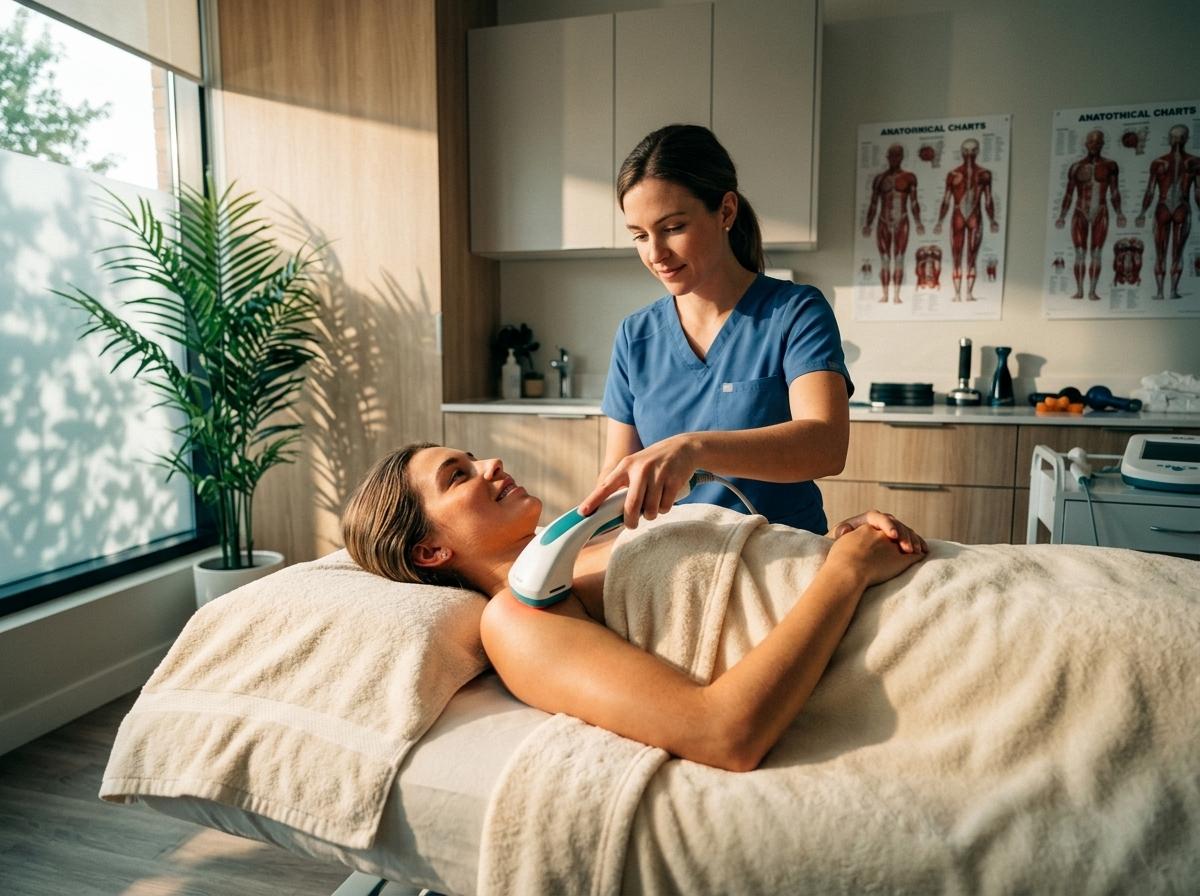
Cutting-edge treatments can speed up your recovery. Techniques like laser therapy, shockwave therapy, and TECAR therapy are designed to heal tissues faster. These treatments are non-invasive and focus on reducing pain and inflammation. They work deeply to stimulate healing from within, providing relief where it’s needed most.
Using advanced technology means your rehab is not only effective but also efficient. These modalities work together to enhance your natural healing processes. By incorporating them into your rehab, you’re giving yourself the best chance at a quick and complete recovery.
Techniques for Pain Relief
Managing pain is crucial for staying motivated during your rehab. Let’s explore some effective therapies that can help you feel better fast.
Laser and Shockwave Therapy
Laser therapy and shockwave therapy are powerful tools in the fight against pain. Laser therapy uses light to reduce inflammation and promote healing. It’s particularly effective for deep tissue issues and can significantly speed up recovery. Shockwave therapy, on the other hand, uses waves to stimulate blood flow and cell growth, helping tissues heal faster.
Both therapies are non-invasive and have proven success in treating various injuries. Whether you’re dealing with tendonitis or muscle strain, these treatments can provide relief and help you get back to doing what you love. They're essential parts of any comprehensive rehabilitation program.
Graston Technique and Kinesio Taping
The Graston Technique is a form of manual therapy that uses special tools to break down scar tissue. This can improve range of motion and decrease pain. It’s particularly useful for chronic conditions or old injuries that haven’t healed properly. By breaking up these adhesions, your body can move better and heal more effectively.
Kinesio Taping supports muscles and joints, helping them heal while you stay active. The tape is applied in a way that lifts the skin slightly, which can improve blood flow and lymphatic drainage. This not only reduces pain but also enhances performance, making it a favorite among athletes.
Cupping and Manual Therapy
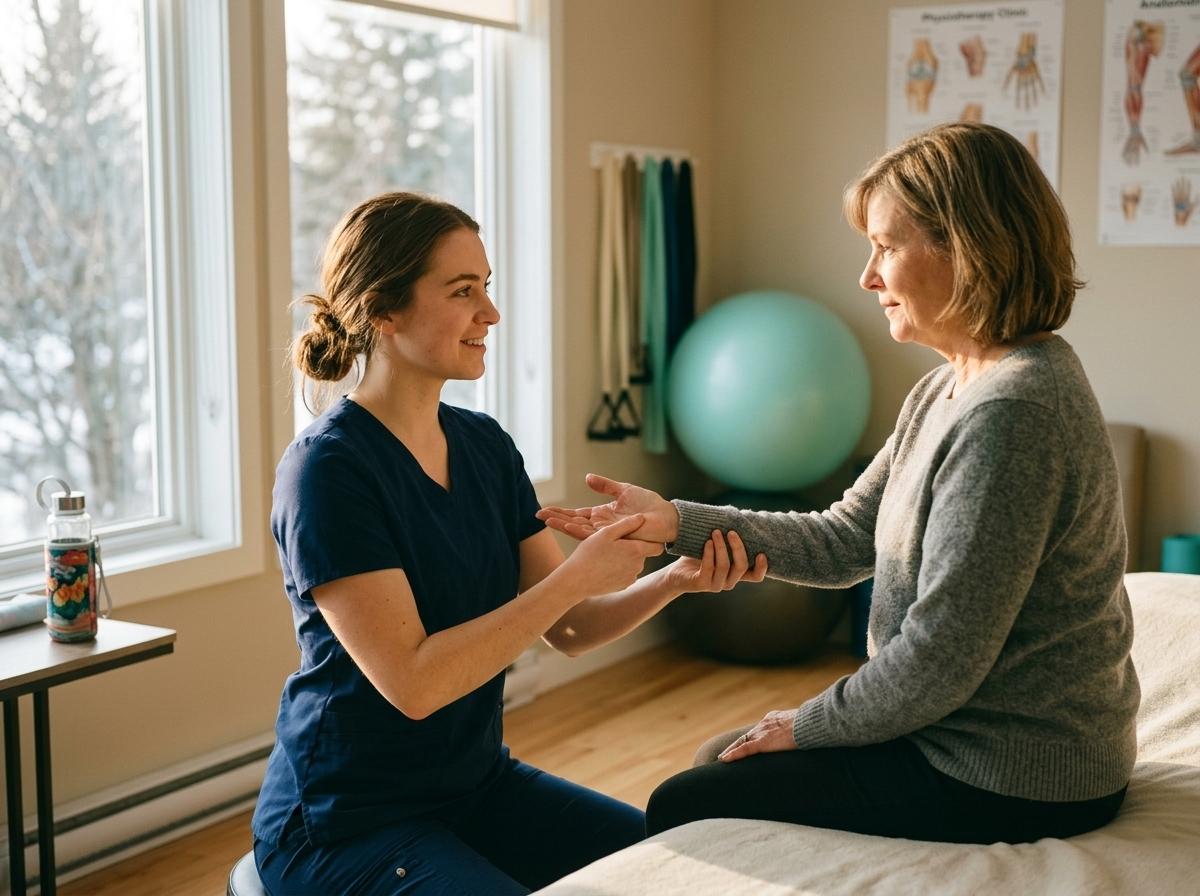
Cupping therapy creates suction on the skin to boost blood flow. This technique helps reduce muscle tension and promote relaxation. It’s beneficial for those suffering from stress-related pains or recovery from intense workouts. Combined with manual therapy, which involves hands-on manipulation of muscles and joints, these techniques can provide comprehensive pain relief.
Manual therapy is about restoring movement and function. A skilled therapist uses their hands to apply pressure and stretch tissues, which helps relieve pain and stiffness. Together with cupping, these therapies form a holistic approach to managing pain and improving your overall well-being.
Recovery and Support Options
Recovery doesn’t stop when you leave the clinic. Here’s how you can continue to support your healing journey.
Home Physiotherapy in GTA
Home physiotherapy is a convenient option for those who need flexibility. It involves having a therapist come to your home to provide treatment. This can be especially helpful if you have mobility issues or a busy schedule. With home physiotherapy, you get the same quality of care without the need to travel.
This service ensures that your rehab plan continues seamlessly, providing the support you need right where you are. It’s about making recovery as accessible and stress-free as possible, allowing you to focus on healing.
Sport-Specific Return-to-Play
Returning to your sport requires a carefully structured plan. Sport-specific physiotherapy tailors your rehab to the demands of your sport. This ensures that you not only recover but also regain your competitive edge. You’ll focus on movements and exercises that mimic your sport, preparing you both physically and mentally.
A well-designed return-to-play strategy prevents re-injury and boosts confidence. By working closely with your therapist, you’ll know when you’re ready to hit the field or court again, feeling stronger and more prepared than ever.
Booking Your Initial Assessment
The first step to recovery is booking your initial assessment. This allows therapists to understand your needs and craft a personalized plan. The longer you wait, the harder it can be to regain full function. Take control of your health today. A thorough assessment sets the stage for a successful recovery journey, giving you the roadmap to get back to pain-free living.
In summary, a successful rehab plan includes personalized therapy, advanced treatments, and ongoing support. Each element works together to help you recover fully and regain your active lifestyle. With the right approach, you can overcome your injury and come back stronger.
Comments